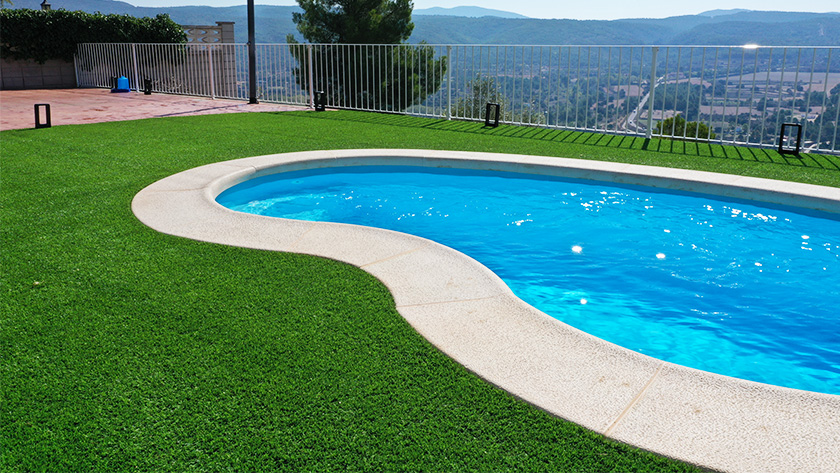
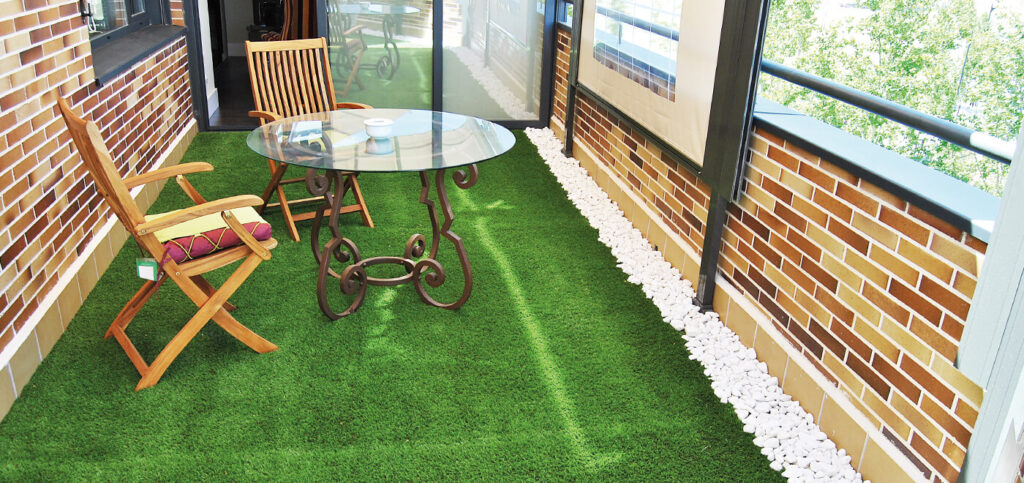
Designing small gardens may seem like a challenge, but with proper planning and the use of quality materials such as artificial turf, you can create a welcoming and aesthetically pleasing space. Here is a complete guide with ideas, tips and techniques to help you make the most of every corner of your garden.
Selection of plants and flowers
One of the most important aspects when designing small gardens is the choice of plants and flowers. It is essential to select species that do not grow too large so as not to overcrowd the space. Opt for compact, low-maintenance plants that provide color and texture without requiring too much care.
- Perennial plants: These are ideal because they maintain their foliage throughout the year. For example, lavender, rosemary and boxwood.
- Seasonal flowers: To add a splash of color at different times of the year, choose flowers that bloom in different seasons, such as tulips in spring and chrysanthemums in fall.
- Hanging plants and creepers: Take advantage of walls and vertical structures to plant creepers such as jasmine or bougainvillea, which, in addition to decorating, optimize the space.
Space distribution
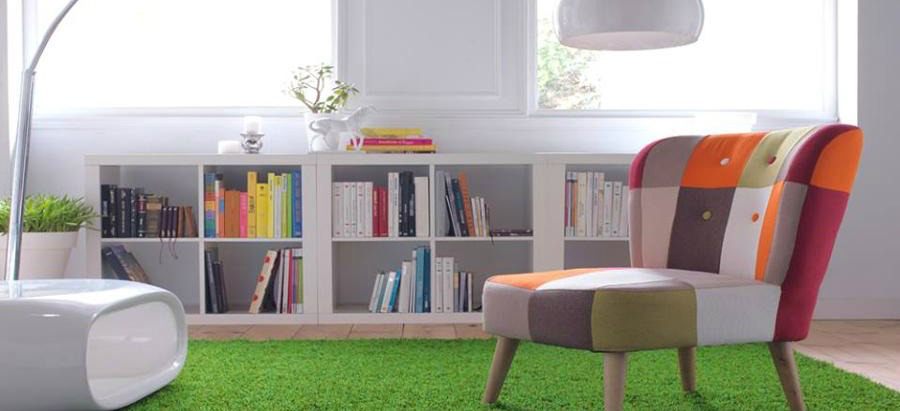
The distribution of space is crucial when designing small gardens. The key is to create different areas for different activities, such as relaxing, eating or playing, using artificial turf as a versatile and resistant base.
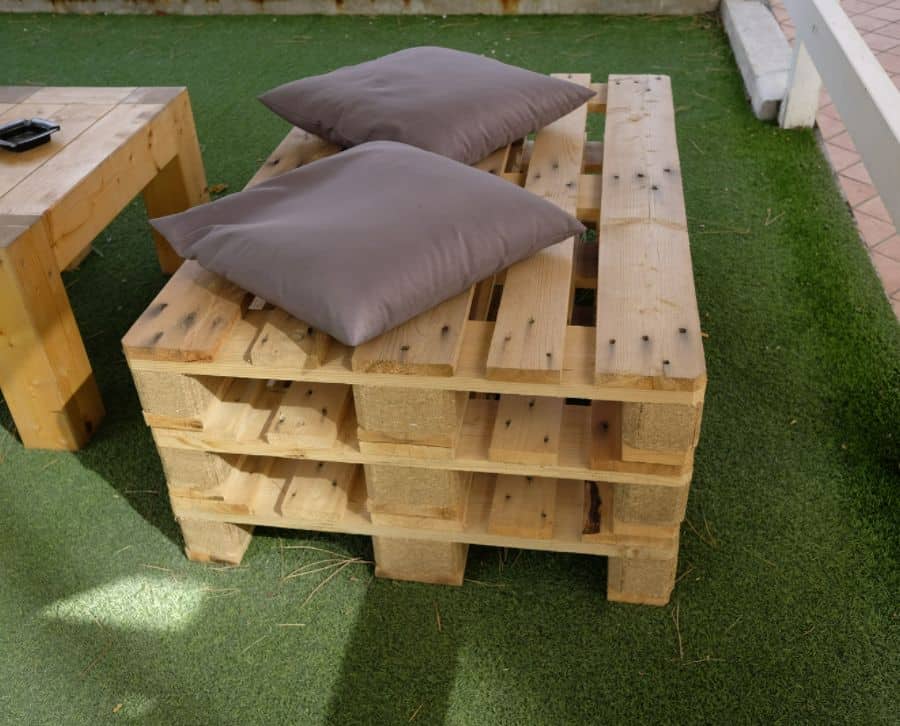
- Seating areas: Place outdoor furniture such as chairs, hammocks or sofas in a corner of the garden. Use outdoor rugs and cushions to add comfort and style.
- Outdoor dining: If space permits, include a small table with chairs for lunch or dinner. Opt for folding furniture that can be easily stored when not in use.
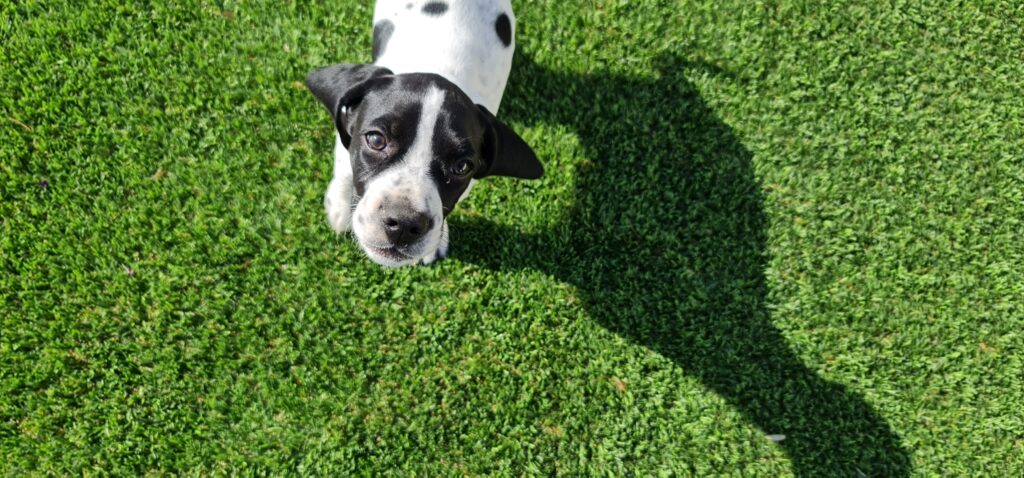
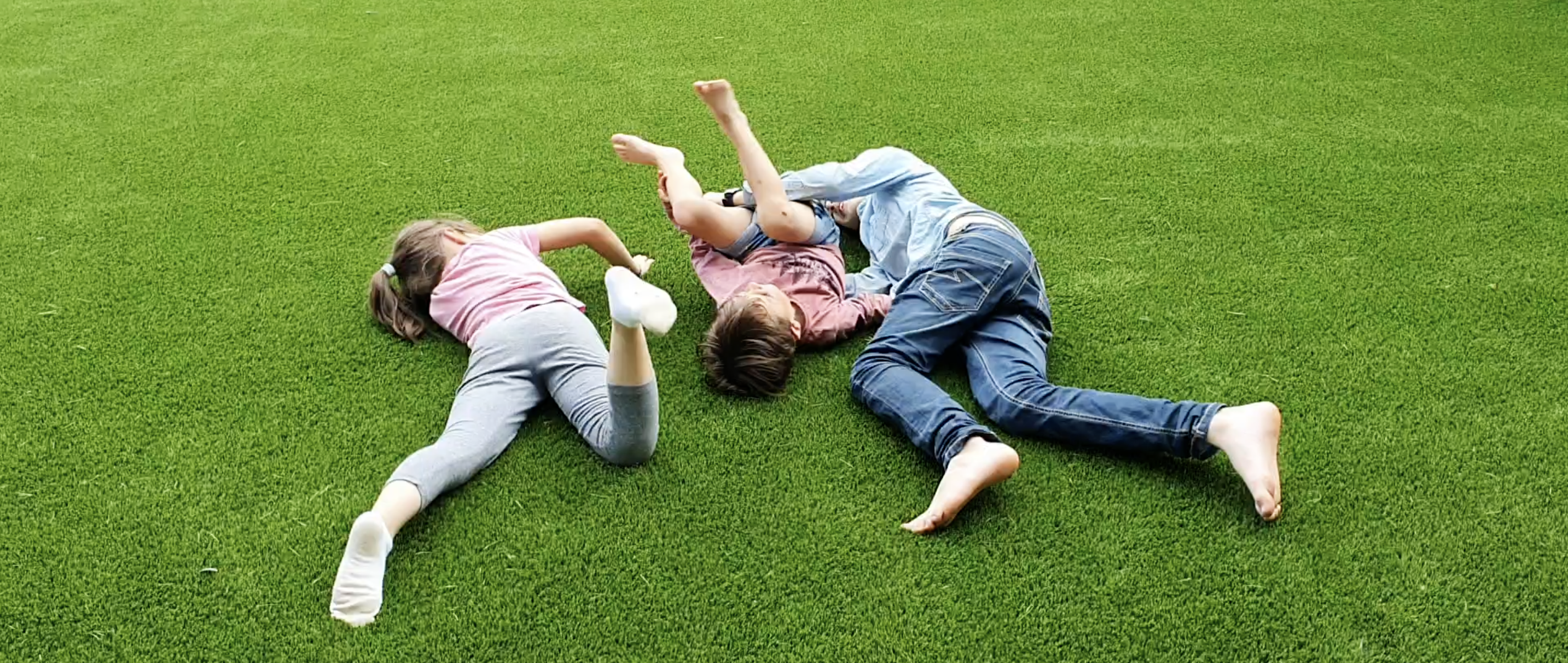
- Space for children or pets: If you have children or pets, reserve an area for them. Artificial turf is ideal because it is soft and resistant to wear and tear.
Choice of decorative elements
Decorative elements play a fundamental role in the design of small gardens. They give personality and can help define the style of the space.
- Pots and planters: Use pots of different sizes and colors to add visual interest. Hanging planters are perfect for saving space.
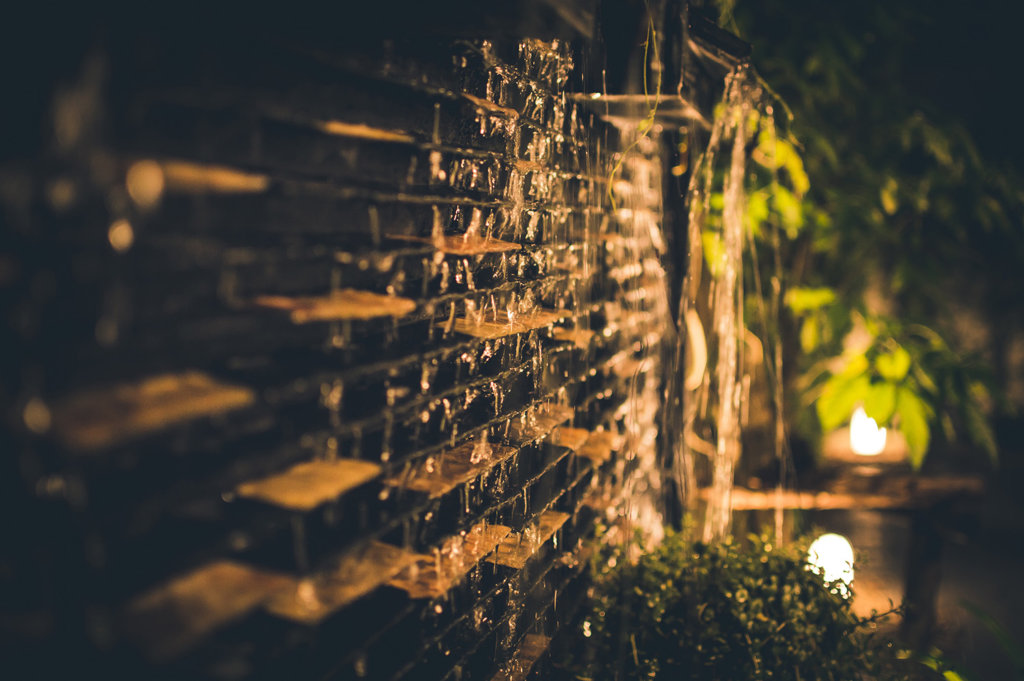
- Statues and ornaments: Add small statues, fountains or decorative stones to create focal points. Be sure not to overload the space to maintain a tidy appearance.
- Functional accessories: Incorporating elements such as pergolas or awnings can provide shade and define specific areas without taking up much space.
Use of lighting
The right lighting can transform a small garden into a welcoming nighttime oasis. It is essential to plan lighting to highlight key areas and ensure the functionality of the space at night.
- Solar lights: They are an ecological and economical option to illuminate paths or highlight specific plants. In addition, they do not require wiring.
- Garland lights: These lights add a warm, festive ambiance. Place them on pergolas, trees or along fences.
- Spotlights and floor lamps: Use spotlights to highlight specific garden features, such as statues or fountains, and floor lamps to illuminate seating areas.
Recommendations of the ideal type of grass for small gardens
Artificial turf is an excellent choice for small gardens because of its low maintenance and great durability. However, it is important to choose the right type according to the use that will be given to the garden.
- For gardens with pets: Opt for a low height artificial turf to make it much easier to clean. Some models include a special technology to neutralize odors and all of them ensure good drainage.
- For gardens with children: Choose a soft, cushioned turf to provide a safe and comfortable surface for children to play on. Make sure it is hypoallergenic and the materials it is made from are non-toxic.
- For decorative gardens: If the function of the garden is mainly decorative, you can opt for a more natural-looking and aesthetic lawn. Some models perfectly imitate natural grass thanks to their different shades and textures and their superior height.
Practical tips forractical tips for maintenance
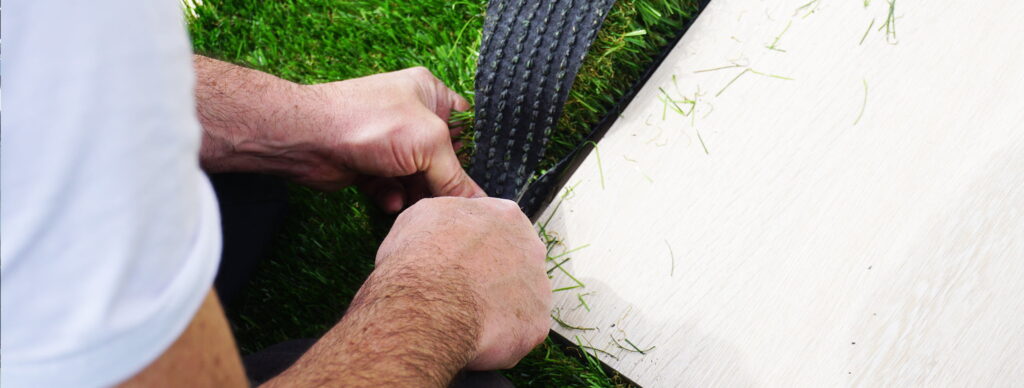
Although artificial turf requires less maintenance than natural grass, it is important to follow some basic care to keep it in perfect condition.
- Regular cleaning: remove leaves and dirt that may be deposited on the lawn with a blower or rake. Use water and neutral soap to clean stains.
- Brushing: Brush the artificial turf periodically so that it recovers its original shape and suffers less if it is used frequently.
- Drainage check: Make sure that the drainage system of the soil below the lawn is working properly to avoid water accumulation.
Inspiration and styles
Small garden design allows for great creativity. Here are some styles that may suit you:
- Modern: Clean lines, minimalist furniture and use of materials such as metal and glass. Artificial turf provides a uniform green base that complements this style.
- Rustic: Wooden elements, clay pots and decoration with stones. Choose a natural looking lawn to maintain this aesthetic.
- Mediterranean: Aromatic plants, warm colors and terracotta elements. Artificial turf can be combined with gravel and tile areas for an ideal look.
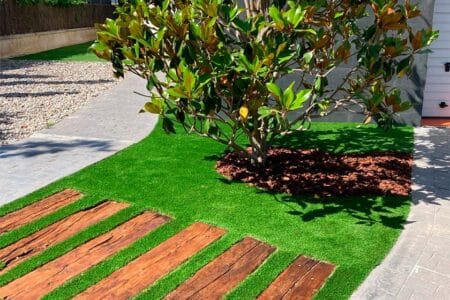
Designing small gardens with artificial turf is a practical and aesthetic option that offers multiple benefits. With careful planning and the right choice of plants, decorative elements and lighting, you can transform your small outdoor space into a personal oasis. Remember to consider the specific needs of your home, whether you have children, pets or are simply looking for a place to relax and enjoy nature. Get inspired and start designing your small garden today!