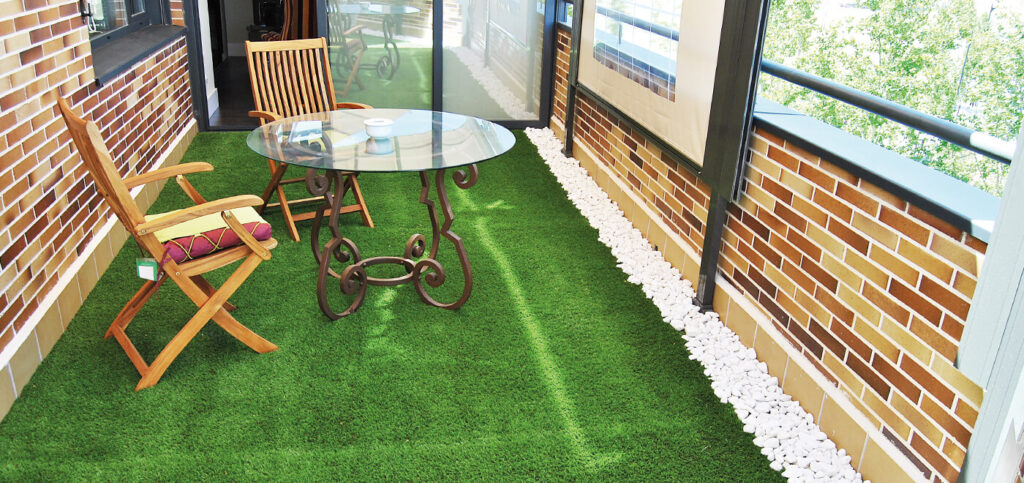
Architecture, plants, discover the art of landscaping
Landscaping is an artistic branch that refers to the study, design and conservation of outdoor spaces in both rustic and urban environments.
The art of landscaping
The landscape designer works with flora, fauna, natural elements such as rivers, waterfalls, lakes… and inert objects (rocks, stones, mounds…) to design outdoor spaces such as parks and gardens.
The artistic branch of landscaping encompasses aspects of different arts such as design, architecture, decoration, sustainability…. The objective is to convert outdoor spaces, both public and private, into comfortable, quality living and environmentally friendly places.
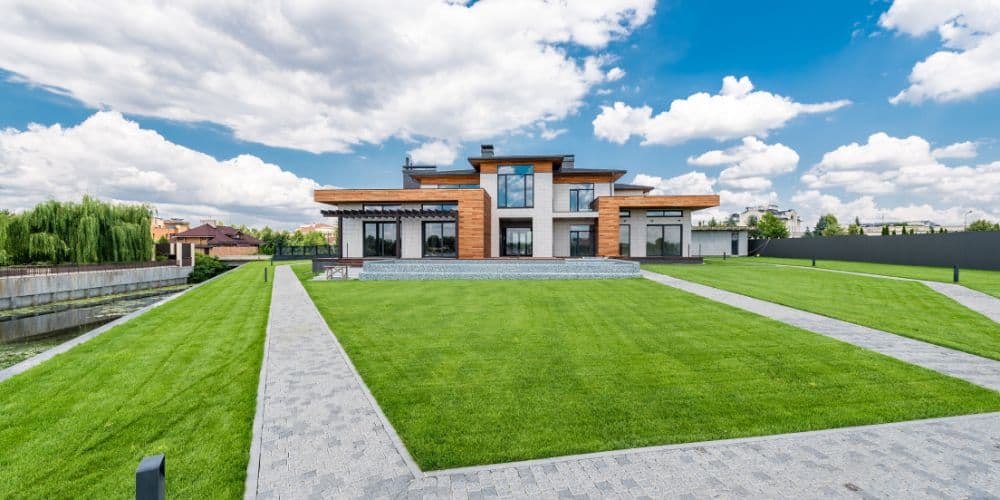
The importance of green areas
The natural environment and the green spaces of houses and cities are spaces that give life. Pleasant places to enjoy the outdoors, either to relax or to share moments with friends and family.
In addition, green spaces are the lungs of cities. Trees and plants help clean the air in cities and reduce pollution.
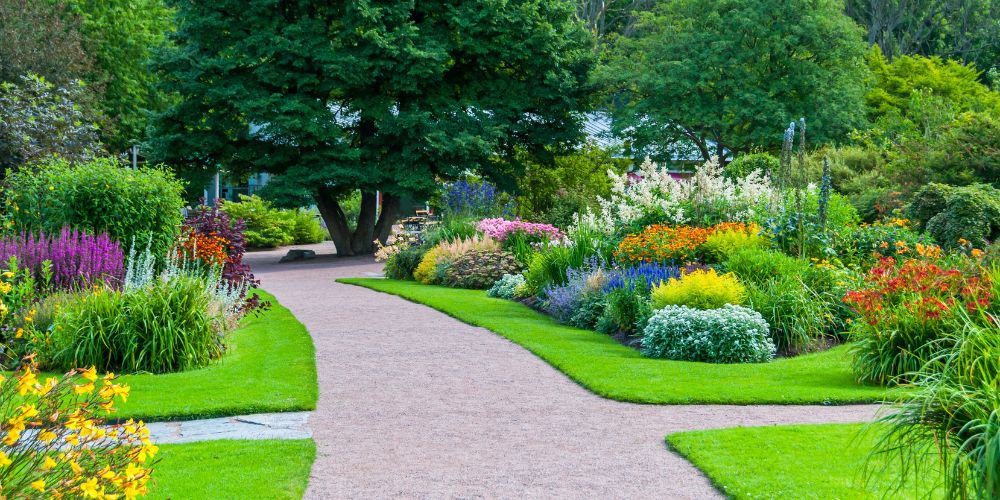
How to design outdoor spaces
There are many elements and factors that a landscaper must take into account in order to carry out his work.
-
Flower and fauna
When carrying out a landscaping project, it is essential to reduce the impact on the flora and fauna of the site as much as possible.
Choose native plants and trees that do not damage the environment and do not generate invasive species problems. In addition, arrange these plants and trees in areas where they get the adequate light and shade they need to grow. And design the necessary drainage and irrigation systems, according to the type of vegetation.
A landscaper must take into account the orientation and climatology of the area so that the flora and fauna are not compromised.
-
Architectural and natural elements
When we talk about landscape, we are not only referring to the trees and plants on the site. A landscape encompasses all the elements of the outdoor space.
These natural and man-made elements are used by landscapers to design the site and provide living and living spaces.
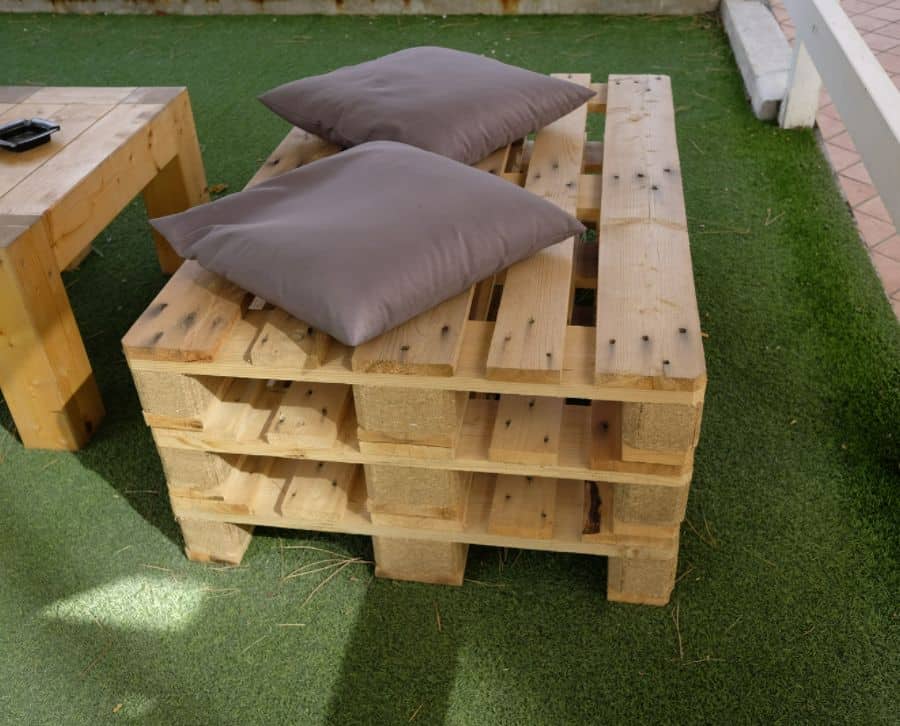
The use of benches, tables, furniture, playgrounds… and the integration into the landscape of architectural elements both natural (stones, rocks, lakes, waterfalls) and artificial (stairs, protective structures…), are another of the tasks of the landscape designer.
-
Landscaping and artificial turf
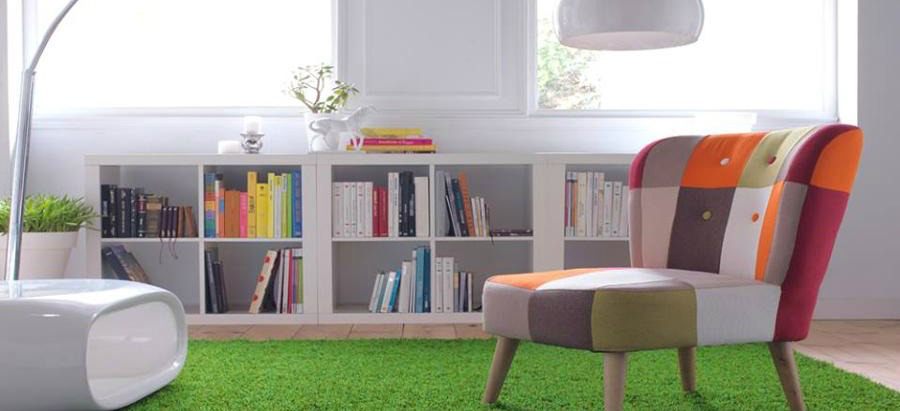
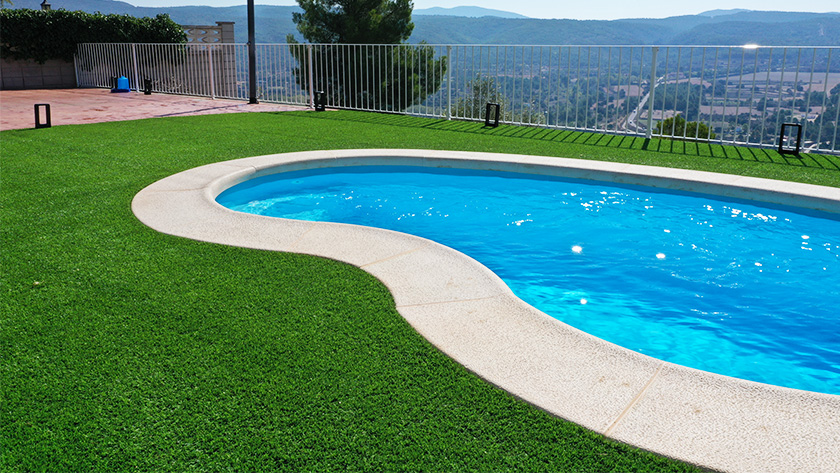
Artificial turf is made available to the art of landscaping to create unique, functional and easy to maintain designs.
When designing outdoor spaces, an artificial green blanket is a great option that offers comfort and sustainability.
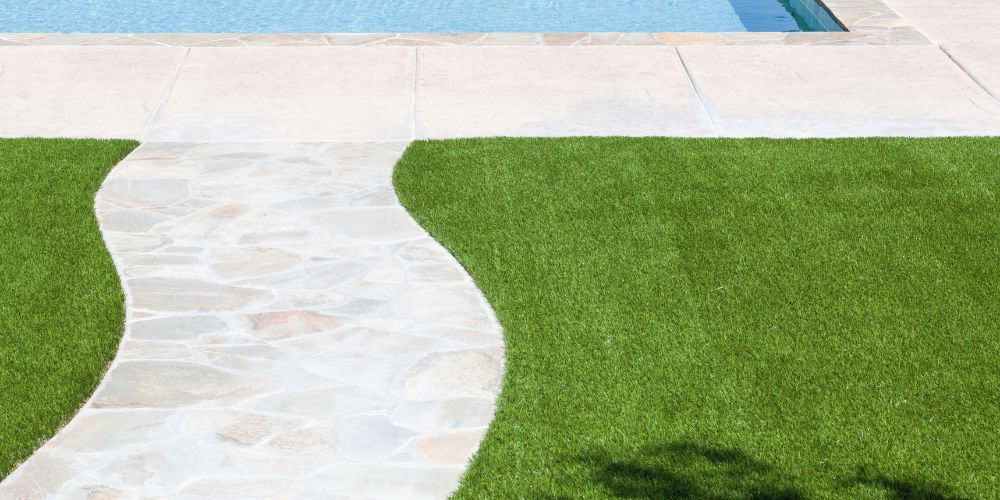
The benefits of artificial turf are many to integrate into the landscape.
- Artificial turf does not require irrigation or arduous maintenance and upkeep.
- Its verticality, beauty and soft footprint make it a comfortable surface to enjoy and observe.
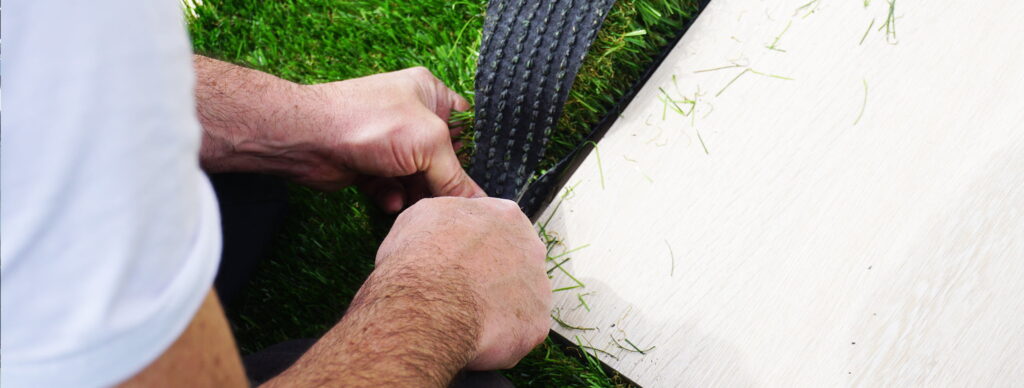
- Its ease of installation and handling is combined with its great versatility, which allows for both horizontal and vertical green areas or for covering elements of any size and shape.
From Albergrass we invite all landscapers to get to know our wide variety of artificial great variety of artificial grass of high quality. You can contact us by filling out the form below.