
Artificial Turf Aeration: What is it and why is it important?
Aeration of artificial turf is a fundamental process to maintain the quality, durability and functionality of your synthetic turf installation. Although artificial turf does not require the traditional care of natural grass, such as watering or fertilizing, aeration is crucial to prevent the fibers from compressing over time and to maintain proper air circulation in the installation area.
What is artificial turf aeration?
Aeration of artificial turf refers to the process of improving ventilation and air circulation between the fibers and the base of the installation. Although it is not as frequently required as with natural grass, occasional aeration helps prevent the accumulation of dirt and moisture that could deteriorate the material. This process is also essential to prevent the turf from deforming or losing its elasticity.
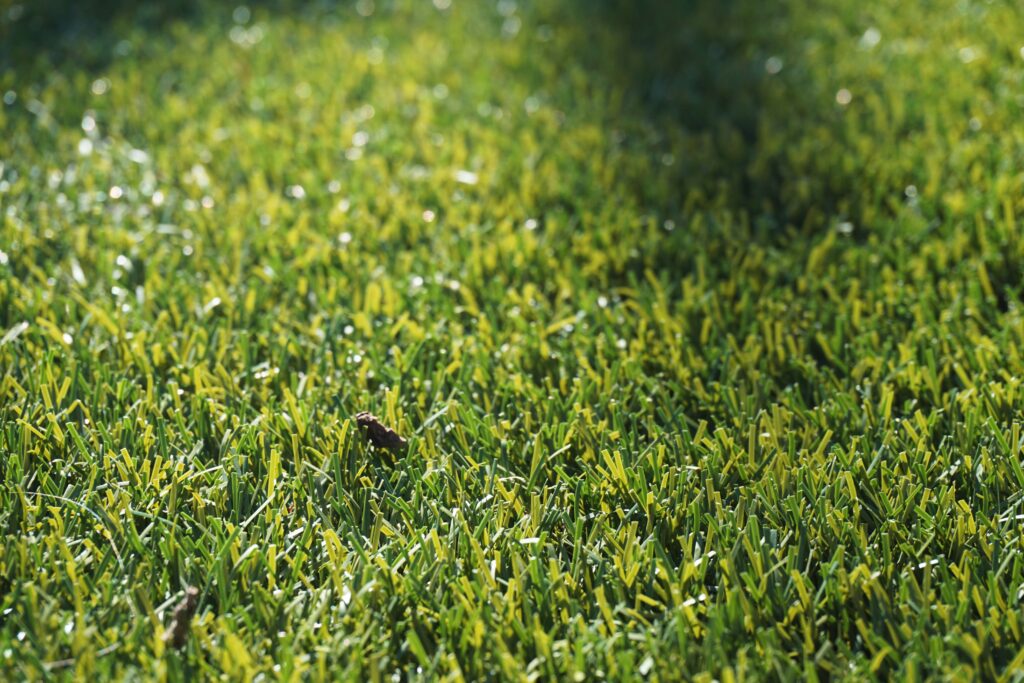
Why is aeration important in artificial turf?
- Prevention of compaction: Over time, constant traffic or particle buildup can cause artificial turf fibers to become compressed. Aeration allows the fibers to maintain their shape and prevent them from flattening, ensuring a softer, more tactile turf.
- Avoid moisture buildup: Although artificial turf is designed to drain quickly, lack of aeration can cause water or moisture to become trapped beneath the surface. This could generate unpleasant odors or encourage mold growth. Aeration helps reduce these risks.
- Improved drainage maintenance: By aerating the turf, water and other liquids can drain more easily, which is essential to avoid puddles or pools that can damage the base of the installation.
How to aerate artificial turf?
There are several ways to aerate artificial turf, depending on the type of installation and the intended use. Some common techniques include:
- Use of an aeration tool: There are specific machines or tools for aerating artificial turf. These tools perforate the surface of the turf, allowing air and moisture to circulate freely.
- Regular brushing: Proper brushing not only keeps the fibers upright, but also promotes air circulation between the fibers.
- Application of sand or silica infill: In some cases, the use of sand or silica infill in artificial turf can help maintain aeration, as well as improve drainage and stability of the installation.
How often should artificial turf be aerated?
The frequency of aeration depends on the use and environment of the artificial turf. In areas with high traffic or wet weather, aeration is recommended every 6 months to a year. In areas of lesser use, it can be done occasionally, as needed.
Conclusion
Although artificial turf is low maintenance, aeration is an additional care that can prolong the life of your installation and improve its appearance and functionality. Don’t forget to integrate this process into your maintenance routine to enjoy an artificial turf in optimal condition for many years to come.


